Pear Shape Diamonds: Style, Benefits & Complete Buying Guide (2026)

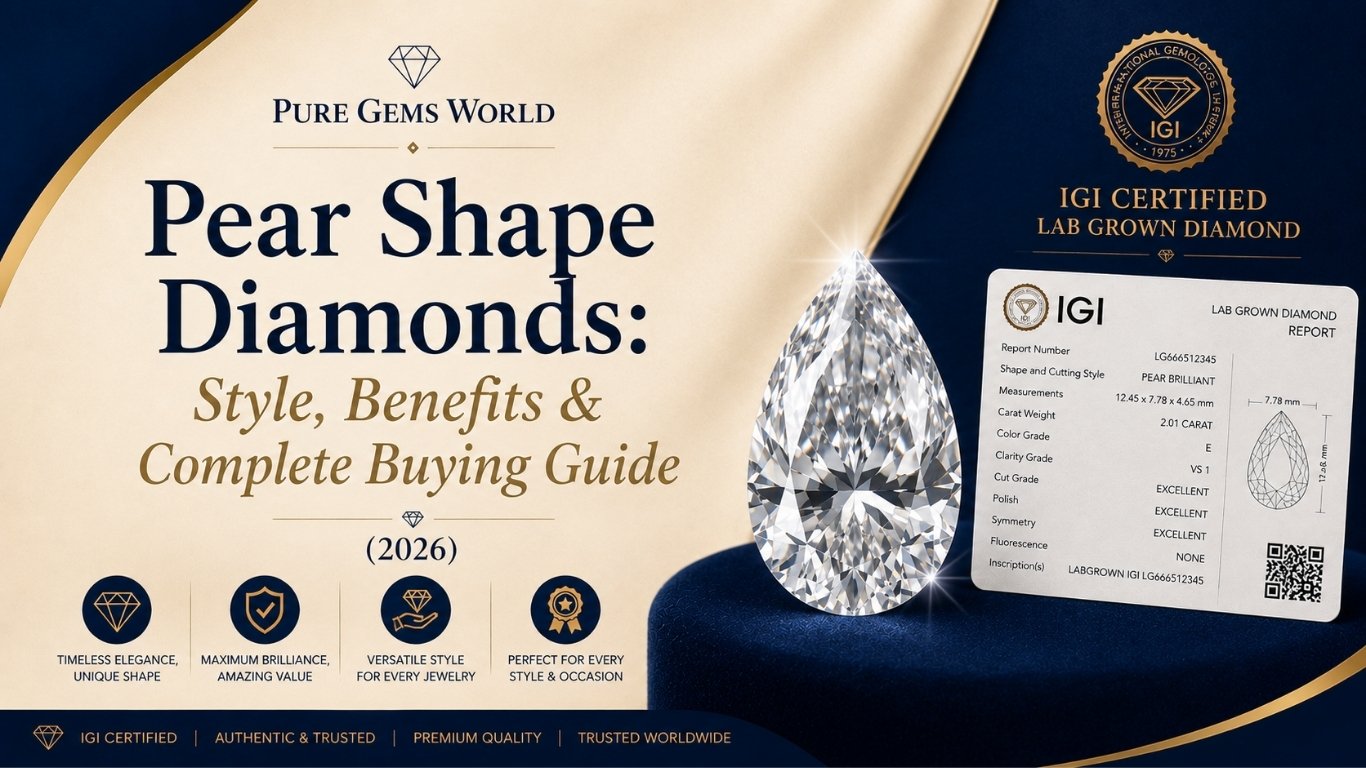
Imagine walking into a jewelry showroom and seeing two diamonds with the same carat weight. One looks elegant, timeless, and unique, while the other appears more traditional. Surprisingly, the diamond that catches everyone’s attention isn’t always the biggest—it’s often the one with the most distinctive shape.
Pear Shape Diamonds have become one of the most sought-after fancy-cut diamonds because they combine exceptional brilliance with an elongated silhouette that creates a graceful, sophisticated look. Whether you’re shopping for an engagement ring, pendant, earrings, or a custom jewelry piece, understanding the characteristics of a pear shape diamond can help you make a confident and informed decision.
Known as the teardrop diamond, this cut blends the brilliance of a round diamond with the elegant point of a marquise cut. The result is a shape that appears larger than many other cuts of the same carat weight while beautifully elongating the finger.
If you’re considering a natural or lab-grown pear shape diamond, this guide covers everything you need to know—from quality and proportions to styling tips and buying advice.
What Is a Pear Shape Diamond?
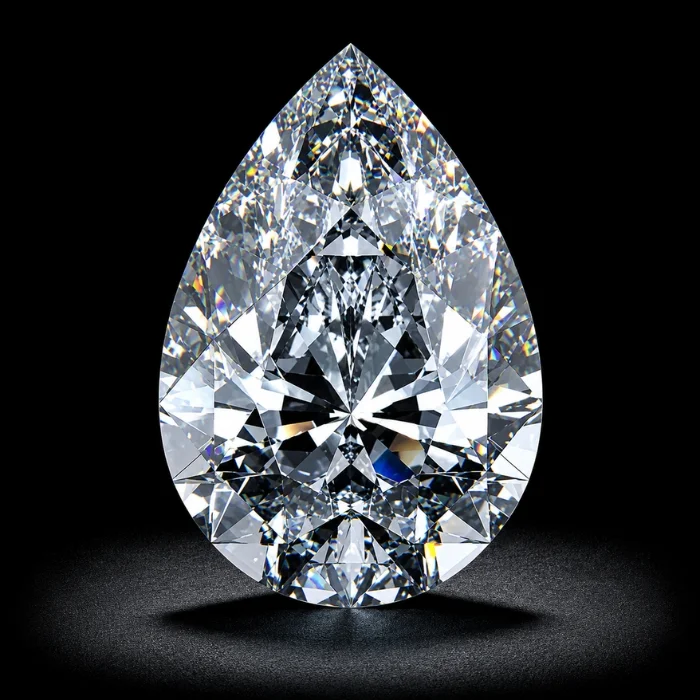
A Pear Shape Diamond, also called a Pear Cut Diamond or Teardrop Diamond, features one rounded end and one pointed end. It combines the sparkle of a brilliant-cut diamond with a distinctive shape that offers both elegance and versatility.
Unlike traditional round diamonds, pear shape diamonds create an illusion of greater size because of their elongated design. This makes them a popular choice for buyers who want maximum visual impact without necessarily increasing their budget.
A well-cut pear shape diamond typically features:
- One rounded end
- One pointed tip
- 58 brilliant-style facets (varies slightly by cut)
- Excellent light reflection
- Elegant elongated appearance
- Timeless yet modern style
This shape works beautifully in:
- Engagement Rings
- Solitaire Rings
- Halo Rings
- Diamond Pendants
- Tennis Necklaces
- Stud Earrings
- Drop Earrings
- Luxury Bracelets
Why Pear Shape Diamonds Are So Popular
Over the past few years, pear shape diamonds have gained popularity among modern buyers who want jewelry that stands out while remaining timeless.
Several factors contribute to this growing demand:
Elegant Appearance
The unique teardrop silhouette creates an elegant profile that complements both classic and contemporary jewelry designs.
Finger-Lengthening Effect
One of the biggest advantages of pear shape diamonds is their ability to make fingers appear longer and slimmer, making them a favorite choice for engagement rings.
Larger Appearance
Because of their elongated shape, pear diamonds often appear larger than round diamonds of the same carat weight.
For example:
- A 1-carat pear shape diamond may visually resemble a slightly larger round diamond due to its spread.
Excellent Sparkle
When cut correctly, pear shape diamonds display exceptional brilliance and fire thanks to their brilliant-cut facet arrangement.
Versatile Styling
Pear shape diamonds can be worn with:
- Point facing upward
- Point facing downward
- East-West settings
- North-South settings
This versatility allows buyers to personalize their jewelry according to their style preferences.
The History Behind Pear Shape Diamonds
The pear shape diamond has a fascinating history dating back to the 15th century.
In 1458, Flemish diamond cutter Lodewyk van Bercken introduced advanced polishing techniques that revolutionized diamond cutting. His innovations led to the development of several brilliant cuts, including the pear shape.
Over centuries, this elegant design became associated with royalty and luxury. Today, pear shape diamonds continue to symbolize sophistication, individuality, and refined taste.
Modern cutting technology has further enhanced their brilliance, symmetry, and overall beauty, making them one of the most desirable fancy-shaped diamonds available today.
Understanding the Shape and Structure
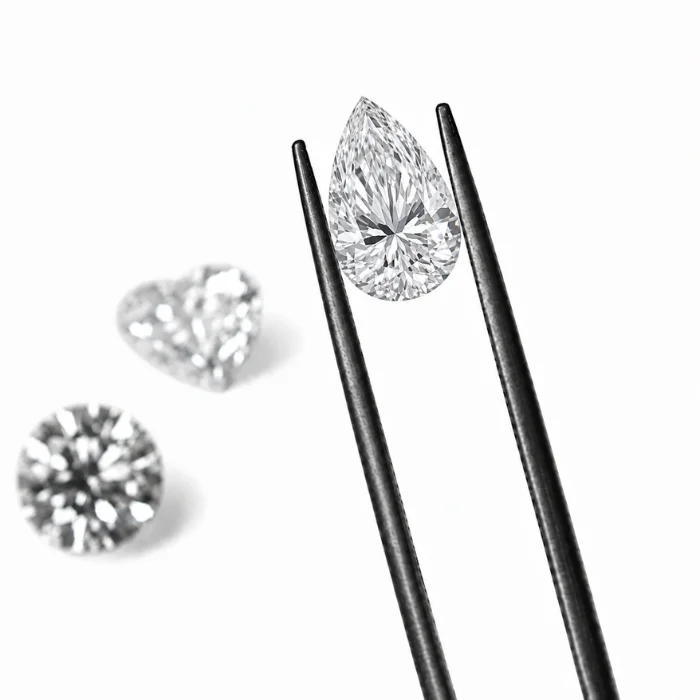
A pear shape diamond is more than just a beautiful outline. Every proportion influences its appearance, sparkle, and value.
Rounded End
The rounded side should be smooth and symmetrical without appearing overly wide.
Pointed Tip
The pointed end should be sharp, balanced, and protected by an appropriate setting to reduce the risk of chipping.
Shoulders
The shoulders should curve evenly toward the rounded end without appearing flat.
Wings
The widest part of the diamond should remain symmetrical on both sides.
Belly
The belly contributes significantly to the overall visual size of the diamond.
Length-to-Width Ratio
One of the most important factors when choosing a pear shape diamond is its length-to-width ratio.
Common preferences include:
- 1.45–1.55: Classic appearance
- 1.55–1.70: Elegant elongated look
- Above 1.70: Slim and dramatic style
Personal preference ultimately determines the ideal ratio, but balanced proportions generally provide the most attractive appearance.
What Makes a High-Quality Pear Shape Diamond?
Not all pear shape diamonds are created equal. Two diamonds with identical carat weights can look dramatically different depending on the quality of their cut.
Here are the most important factors to evaluate.
Cut Quality
Although fancy-shaped diamonds don’t receive an official cut grade from many grading laboratories, cut quality remains the most important factor affecting beauty.
A well-cut pear shape diamond should offer:
- Excellent brilliance
- Even symmetry
- Balanced proportions
- Strong light return
- Minimal dark areas
Poorly cut diamonds may appear dull, uneven, or disproportionately shaped.
Symmetry
Symmetry is especially important in pear shape diamonds.
Look for:
- Even shoulders
- Matching curves
- Centered point
- Straight center line
- Balanced outline
Even small symmetry issues become noticeable because of the distinctive teardrop shape.
Bow-Tie Effect
One characteristic unique to many elongated diamonds is the bow-tie effect.
What is it?
A dark shadow resembling a bow tie may appear across the center of the diamond.
A slight bow tie is completely normal.
However:
- Minimal bow tie = acceptable
- Moderate bow tie = evaluate carefully
- Strong black bow tie = generally avoid
Viewing the diamond under different lighting conditions helps determine whether the bow tie affects its overall beauty.
Polish
Excellent polish allows light to travel smoothly across the diamond’s surface, contributing to its brilliance and sparkle.
Color
Pear shape diamonds tend to reveal color slightly more than round diamonds because of their elongated shape.
Many buyers choose:
- D–F for colorless appearance
- G–H for an excellent balance of beauty and value
- I–J for warmer tones, particularly in yellow or rose gold settings
Clarity
The pointed tip of a pear shape diamond can make inclusions more noticeable if they are located near the end.
Eye-clean clarity grades such as:
- VS1
- VS2
- SI1 (carefully selected)
often provide excellent value without sacrificing visual beauty.
Natural vs Lab-Grown Pear Shape Diamonds
Today, buyers can choose between natural diamonds and lab-grown diamonds, both available in stunning pear shapes.
Natural diamonds form deep within the Earth over billions of years, while lab-grown diamonds are created using advanced technology that replicates the natural diamond-growing process.
Both options share the same:
- Chemical composition
- Physical properties
- Optical brilliance
- Durability
- Hardness (10 on the Mohs scale)
For many buyers, the decision comes down to personal priorities such as budget, rarity, and long-term preferences.
If you’re exploring either option, choosing a certified diamond from a trusted jeweler ensures transparency regarding quality, grading, and origin.
Choosing a Trusted Jeweler
The quality of your buying experience is just as important as the diamond itself.
When selecting a jeweler, look for:
- Certified diamonds
- Transparent grading reports
- Clear pricing
- Customization options
- After-sales support
- Exchange or upgrade policies
- Positive customer reviews
- Knowledgeable diamond consultants
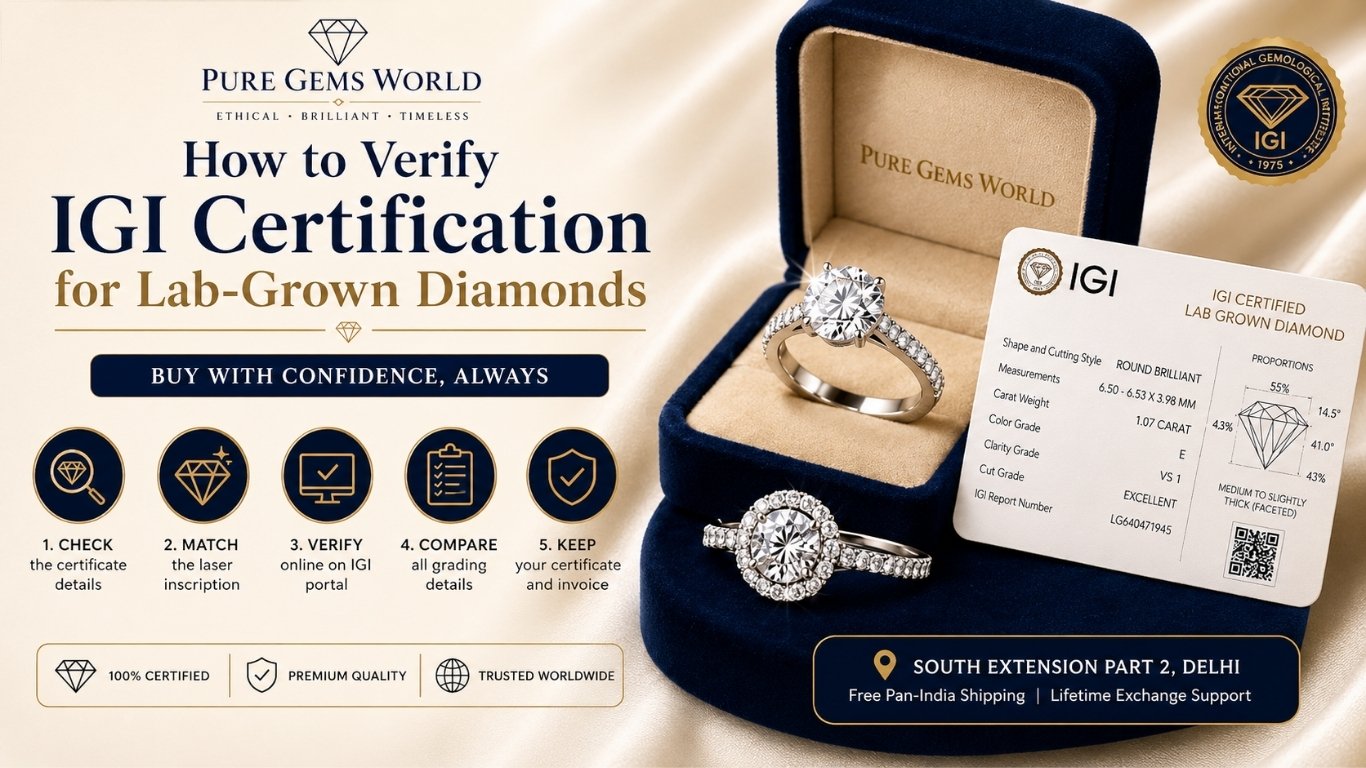
For buyers in India, Pure Gems World offers a curated collection of natural and lab-grown pear shape diamonds with customization options for rings, pendants, earrings, bracelets, and other fine jewelry. The showroom in South Extension Part 2, Delhi, also provides expert guidance to help customers compare diamond shapes, understand certification, and choose designs that suit their preferences and budget. IGI-certified lab-grown diamond options, pan-India shipping, and personalized consultations make the buying process convenient for customers across the country.
Why Certification Matters
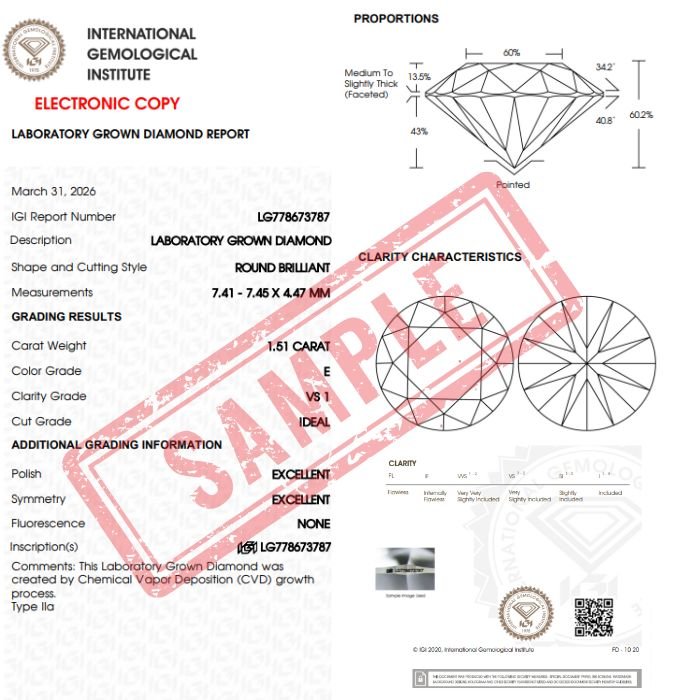
A diamond’s beauty should always be backed by reliable documentation.
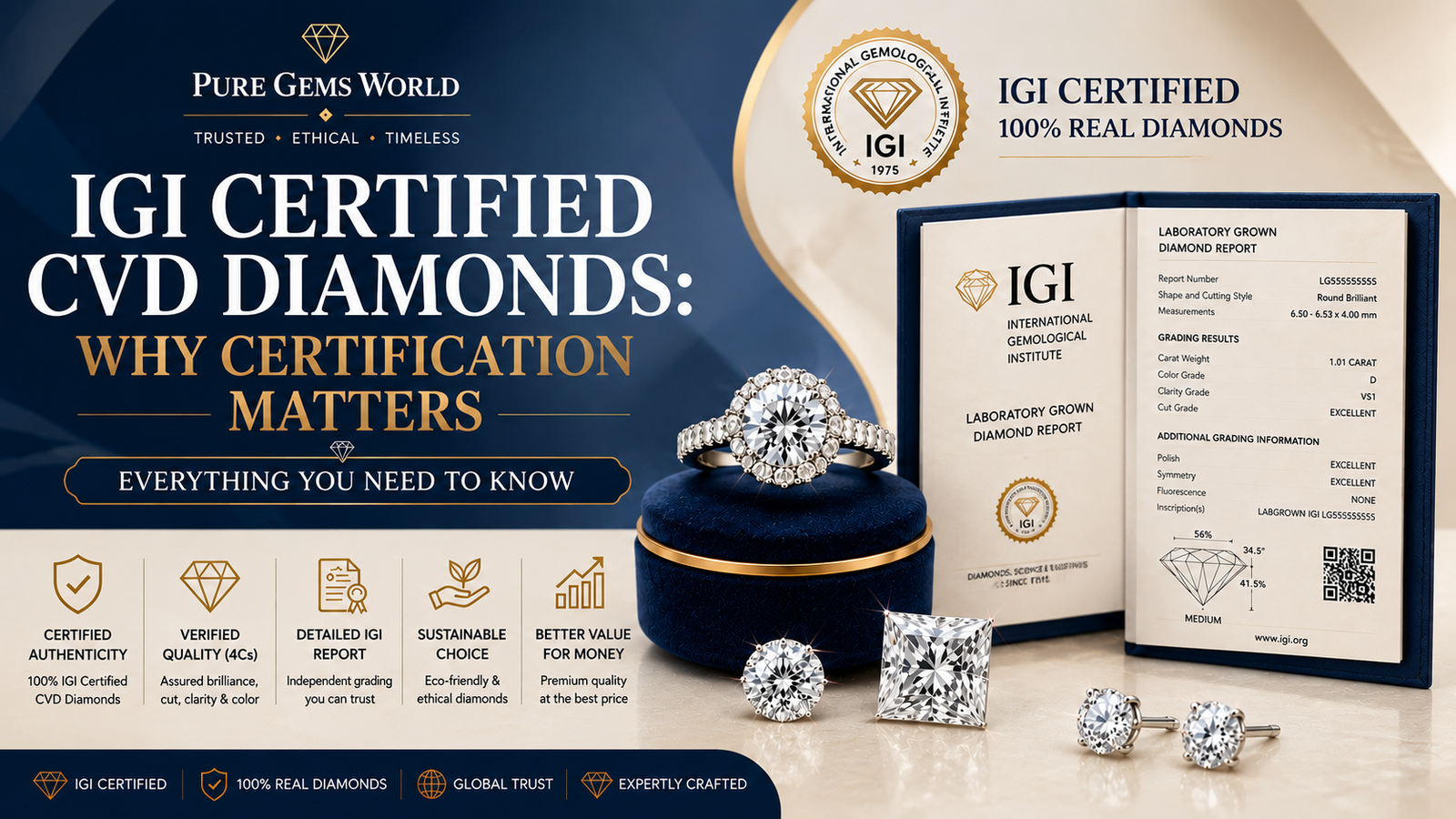
Certification provides independent verification of a diamond’s key characteristics, including:
- Carat weight
- Color grade
- Clarity grade
- Measurements
- Proportions
- Polish
- Symmetry
- Fluorescence (when applicable)
For lab-grown diamonds, an IGI certificate is widely recognized and helps buyers compare diamonds with confidence.
Requesting certification before making a purchase ensures greater transparency and supports an informed buying decision.
Why Pear Shape Diamonds Continue to Stand Out
Pear shape diamonds have remained popular for centuries because they offer a rare combination of brilliance, elegance, and individuality. Their graceful silhouette suits a wide variety of jewelry styles, while their elongated appearance creates impressive visual presence without necessarily increasing carat weight.
Whether chosen for an engagement ring, anniversary gift, or custom-designed piece, a well-cut pear shape diamond delivers timeless appeal. By understanding its proportions, symmetry, certification, and overall quality, buyers are better equipped to select a diamond that reflects both personal style and lasting value.
How to Buy the Perfect Pear Shape Diamond
Buying a pear shape diamond isn’t just about selecting the highest carat weight. A truly beautiful diamond is the result of the right balance between cut, proportions, color, clarity, certification, and setting. Whether you’re purchasing a natural or lab-grown diamond, understanding these factors will help you maximize both beauty and value.
Step 1: Set Your Budget
Before exploring different diamonds, determine a realistic budget. This allows you to focus on diamonds that offer the best balance of quality and price.
Your budget should also include:
- Diamond
- Ring or jewelry setting
- Certification
- Insurance (optional)
- Future maintenance
Many buyers choose lab-grown diamonds because they can often purchase a larger or higher-quality diamond within the same budget compared to a natural diamond.
Step 2: Prioritize Cut Over Carat
A larger diamond won’t necessarily look more beautiful if it’s poorly cut.
For pear shape diamonds, prioritize:
- Excellent brilliance
- Balanced proportions
- Strong symmetry
- Minimal bow-tie effect
- Even light reflection
A well-cut 1-carat pear shape diamond will typically appear more attractive than a poorly cut 1.30-carat diamond.
Step 3: Choose the Right Length-to-Width Ratio
The length-to-width ratio significantly affects the appearance of a pear shape diamond.
1.45–1.55
- Classic look
- Balanced proportions
- Most popular choice
1.55–1.65
- Elegant appearance
- Longer finger illusion
- Excellent for engagement rings
Above 1.70
- Slim
- Dramatic
- Fashion-forward
There is no universally “perfect” ratio—it depends on your personal style and the jewelry design.
Step 4: Select the Right Color Grade
Color becomes more noticeable in elongated fancy-cut diamonds than in round diamonds.
A practical guide:
- D–F: Colorless
- G–H: Near colorless and excellent value
- I–J: Warm appearance, especially suitable for yellow or rose gold
Choosing the right metal can also influence how the diamond’s color is perceived.
Step 5: Find an Eye-Clean Clarity Grade
Many buyers mistakenly pay for clarity they can’t actually see.
Instead, choose an eye-clean diamond.
Excellent value often comes from:
- VS1
- VS2
- Carefully selected SI1
Avoid inclusions near the pointed tip, as they may be easier to notice and could affect durability.
Step 6: Verify Certification
Always ask for an independent grading report.
For lab-grown diamonds, IGI certification is widely recognized and provides confidence in the diamond’s quality and specifications.
Certification confirms:
- Carat weight
- Color
- Clarity
- Measurements
- Polish
- Symmetry
- Growth method (for lab-grown diamonds)
Best Settings for Pear Shape Diamonds
The setting protects the diamond while enhancing its appearance.
Solitaire Setting
Perfect for buyers who want the diamond to remain the center of attention.
Advantages:
- Timeless
- Elegant
- Maximum brilliance
- Easy to clean
Halo Setting
A halo of smaller diamonds surrounds the center stone.
Benefits:
- Makes the center diamond appear larger
- Adds extra sparkle
- Luxurious appearance
Three-Stone Setting
Represents the past, present, and future.
Ideal for:
- Engagement rings
- Anniversary gifts
- Statement jewelry
Hidden Halo
A modern favorite.
The hidden halo sits beneath the center diamond, adding brilliance from side angles while maintaining a clean top view.
Bezel Setting
The diamond is surrounded by metal.
Advantages:
- Excellent protection
- Contemporary design
- Ideal for active lifestyles
Benefits of Pear Shape Diamonds
1. They Look Larger
One of the biggest advantages of pear shape diamonds is their visual spread.
Their elongated outline creates the illusion of greater size compared to many other shapes with the same carat weight.
2. Exceptional Brilliance
Because they use brilliant-cut facets, pear shape diamonds produce outstanding sparkle.
When properly cut, they display:
- Bright white light
- Colorful fire
- Dynamic scintillation
3. Elegant Finger Appearance
Pear shape engagement rings naturally create a longer, slimmer finger appearance.
This is one reason celebrities and designers frequently choose this shape.
4. Unique Yet Timeless
Unlike trendy styles that fade over time, pear shape diamonds have remained fashionable for centuries.
They offer individuality without sacrificing elegance.
5. Versatile Jewelry Design
Pear shape diamonds work beautifully in:
- Engagement rings
- Wedding rings
- Earrings
- Pendants
- Bracelets
- Necklaces
- Cocktail rings
6. Excellent Value
Compared to round brilliant diamonds, pear shape diamonds often provide greater visual size for a similar budget.
This makes them attractive for buyers seeking maximum impact.
Common Buying Mistakes
Buying Only Based on Carat
Carat weight alone doesn’t determine beauty.
Always evaluate:
- Cut
- Symmetry
- Brilliance
- Certification
Ignoring the Bow-Tie Effect
Every pear shape diamond should be inspected under different lighting.
A severe bow tie can reduce brilliance.
Choosing Poor Symmetry
An uneven pear shape becomes immediately noticeable.
Always compare:
- Curves
- Shoulders
- Wings
- Point alignment
Ignoring Certification
Never purchase a diamond solely based on appearance.
Independent certification provides confidence and transparency.
Choosing the Wrong Setting
The pointed tip is the most vulnerable part of the diamond.
A protective V-prong setting is highly recommended.
Pear Shape Diamonds vs Other Popular Diamond Shapes
| Feature | Pear Shape | Round | Oval | Princess |
|---|---|---|---|---|
| Sparkle | Excellent | Excellent | Excellent | Very Good |
| Looks Larger | Excellent | Moderate | Excellent | Moderate |
| Finger-Lengthening | Excellent | Low | Excellent | Moderate |
| Modern Appearance | Excellent | Classic | Modern | Contemporary |
| Uniqueness | High | Moderate | High | Moderate |
| Value | Excellent | Premium | Excellent | Good |
Natural vs Lab-Grown Pear Shape Diamonds
| Feature | Natural Diamond | Lab-Grown Diamond |
| Composition | Carbon | Carbon |
| Hardness | 10 Mohs | 10 Mohs |
| Sparkle | Same | Same |
| Durability | Same | Same |
| Appearance | Same | Same |
| Certification | Available | Available |
| Budget | Higher | Generally More Affordable |
Both options are genuine diamonds. The choice depends on your priorities, budget, and personal preferences.
Expert Tips Before Buying
Always View the Diamond in Different Lighting
Store lighting can make every diamond appear brighter.
Whenever possible, examine the diamond under:
- Natural daylight
- Indoor lighting
- Soft lighting
Don’t Chase Perfect Grades
Many buyers overpay for specifications that don’t create visible improvements.
Instead, prioritize overall beauty.
Compare Multiple Diamonds
Never purchase the first diamond you see.
Compare:
- Shape
- Sparkle
- Symmetry
- Price
- Certification
Think About Daily Wear
If the jewelry will be worn every day, durability matters.
Choose:
- Secure setting
- Protective prongs
- Quality craftsmanship
Consider Future Style
Pear shape diamonds have remained popular for generations.
Choosing a timeless design ensures your jewelry stays elegant for years to come.
Choosing a Trusted Jeweler
Selecting the right jeweler is just as important as selecting the right diamond. Look for transparent pricing, independent certification, knowledgeable consultants, customization options, and reliable after-sales support.
If you’re exploring pear shape diamonds in India, Pure Gems World offers natural and IGI-certified lab-grown diamonds in a variety of jewelry styles, including engagement rings, pendants, earrings, bracelets, and custom designs. Customers can visit the South Extension Part 2, Delhi showroom for personalized guidance or explore options with pan-India shipping. The team assists buyers in comparing diamond shapes, understanding certification, and selecting jewelry that aligns with their style and budget.
Quick Buying Checklist
Before making your final decision, confirm that your pear shape diamond has:
- Excellent overall sparkle
- Balanced symmetry
- Minimal bow-tie effect
- Eye-clean clarity
- Suitable color grade
- Preferred length-to-width ratio
- Independent certification
- Secure V-prong protection
- Quality craftsmanship
- A trusted jeweler with transparent policies
Making a thoughtful purchase today can ensure your pear shape diamond remains a cherished piece for years to come.
Frequently Asked Questions (FAQ)
1. What is a Pear Shape Diamond?
A Pear Shape Diamond, also known as a teardrop diamond, combines the brilliance of a round cut with the elegant pointed end of a marquise cut. Its unique silhouette offers exceptional sparkle while creating the illusion of a longer, slimmer finger. It is a popular choice for engagement rings, pendants, earrings, and other fine jewelry.
2. Are Pear Shape Diamonds More Expensive?
Not necessarily. The price of a pear shape diamond depends on several factors, including:
- Carat weight
- Cut quality
- Color
- Clarity
- Certification
- Whether it is natural or lab-grown
Compared to round brilliant diamonds of similar quality, pear shape diamonds often provide a larger face-up appearance, making them an excellent value for many buyers.
3. Do Pear Shape Diamonds Look Bigger Than Round Diamonds?
Yes. One of the biggest advantages of pear shape diamonds is their elongated design, which creates the illusion of a larger diamond. Two diamonds with the same carat weight may appear different in size, with the pear shape often looking larger because of its greater surface area.
4. Which Finger Direction Should a Pear Shape Ring Face?
There is no fixed rule.
Most people wear the pointed tip facing toward the fingertip because it visually elongates the finger.
Some prefer wearing the point toward the wrist for a unique and contemporary look. Ultimately, it comes down to personal style and comfort.
5. What Is the Best Setting for a Pear Shape Diamond?
Some of the most popular settings include:
- Solitaire
- Halo
- Hidden Halo
- Three-Stone
- Bezel
A V-prong at the pointed tip is strongly recommended because it helps protect the most delicate part of the diamond from accidental damage.
6. Are Lab-Grown Pear Shape Diamonds Real Diamonds?
Yes.
Lab-grown diamonds have the same:
- Chemical composition
- Physical properties
- Optical brilliance
- Hardness
- Durability
The primary difference is their origin. Natural diamonds form underground over billions of years, while lab-grown diamonds are created in advanced laboratories using sophisticated technology.
7. What Certification Should I Look For?
Always choose a diamond with certification from a recognized grading laboratory.
For lab-grown diamonds, IGI certification is widely accepted and provides information about:
- Carat
- Color
- Clarity
- Measurements
- Polish
- Symmetry
Certification helps buyers compare diamonds confidently and verify quality.
8. Which Metal Looks Best with a Pear Shape Diamond?
Pear shape diamonds look beautiful in several precious metals.
- White Gold: Modern and enhances a colorless appearance.
- Yellow Gold: Warm, timeless, and ideal for classic designs.
- Rose Gold: Romantic and contemporary.
The best choice depends on your personal style, skin tone, and desired overall look.
9. How Should I Clean and Maintain a Pear Shape Diamond?
To maintain its brilliance:
- Clean regularly using warm water, mild soap, and a soft brush.
- Avoid harsh chemicals and abrasive cleaners.
- Store jewelry separately to reduce scratches.
- Have the setting inspected periodically by a professional jeweler, especially the protective V-prong.
Proper care helps preserve both the diamond’s sparkle and the security of the setting.
10. Where Can I Buy a Certified Pear Shape Diamond in India?
Choose a jeweler that offers:
- Transparent pricing
- Independent certification
- Customization options
- Knowledgeable consultation
- Reliable after-sales support
For buyers in India, Pure Gems World offers natural and IGI-certified lab-grown pear shape diamonds in engagement rings, earrings, pendants, bracelets, and custom jewelry. Customers can visit the South Extension Part 2, Delhi showroom or explore options through pan-India shipping with expert guidance throughout the buying process.
Common Myths About Pear Shape Diamonds
Myth 1: Pear Shape Diamonds Don’t Sparkle
Truth: A well-cut pear shape diamond offers outstanding brilliance and fire due to its brilliant-cut facet pattern.
Myth 2: Bigger Carat Always Means a Better Diamond
Truth: Cut quality, symmetry, and proportions have a greater impact on a diamond’s beauty than carat weight alone.
Myth 3: Lab-Grown Diamonds Are Fake
Truth: Lab-grown diamonds are real diamonds with the same physical, chemical, and optical properties as natural diamonds. The difference lies in how they are formed.
Myth 4: Fancy Shapes Are Difficult to Maintain
Truth: With proper cleaning, secure settings, and periodic inspections, pear shape diamonds are suitable for everyday wear.
Expert Buying Tips
Before purchasing a pear shape diamond, remember these practical recommendations:
- Prioritize cut quality over size.
- Look for balanced symmetry and an attractive outline.
- Choose an eye-clean clarity grade for better value.
- Select a secure setting with a protective V-prong.
- Always verify certification.
- Compare multiple diamonds before making a final decision.
- Purchase from a trusted jeweler that offers transparent information and after-sales support.
These simple steps can make a significant difference in the long-term satisfaction of your purchase.
Final Thoughts
Pear Shape Diamonds continue to be one of the most elegant and versatile diamond cuts available. Their graceful teardrop silhouette, exceptional brilliance, and larger visual appearance make them an outstanding choice for engagement rings, pendants, earrings, bracelets, and other fine jewelry.
Whether you choose a natural diamond or a lab-grown alternative, the most important factors are quality, craftsmanship, certification, and buying from a reputable jeweler. Paying attention to cut, symmetry, proportions, and the right setting will ensure your diamond remains beautiful for years to come.
If you’re looking for a pear shape diamond that combines beauty, quality, and expert guidance, take the time to compare certified options, ask questions, and choose a design that reflects your personal style rather than simply following trends.
Why Consider Pure Gems World?
If you’re searching for IGI-certified lab-grown diamonds or carefully selected natural pear shape diamonds, Pure Gems World offers a wide selection of elegant jewelry and customization options.
Why customers choose Pure Gems World:
- IGI Certified Lab-Grown Diamonds
- Carefully Selected Natural Diamonds
- Custom Engagement Rings
- Diamond Earrings, Pendants, Necklaces & Bracelets
- Personalized Design Consultation
- South Extension Part 2, Delhi Showroom
- Pan-India Shipping
- Transparent Product Information
- Lifetime Exchange (as per applicable policy)
- Dedicated Customer Support
Whether you’re buying your first diamond or creating a custom piece for a special occasion, consulting experienced professionals can help you make a confident and informed choice.