



Natural vs Lab Grown Diamond: Complete Comparison Guide (2026)

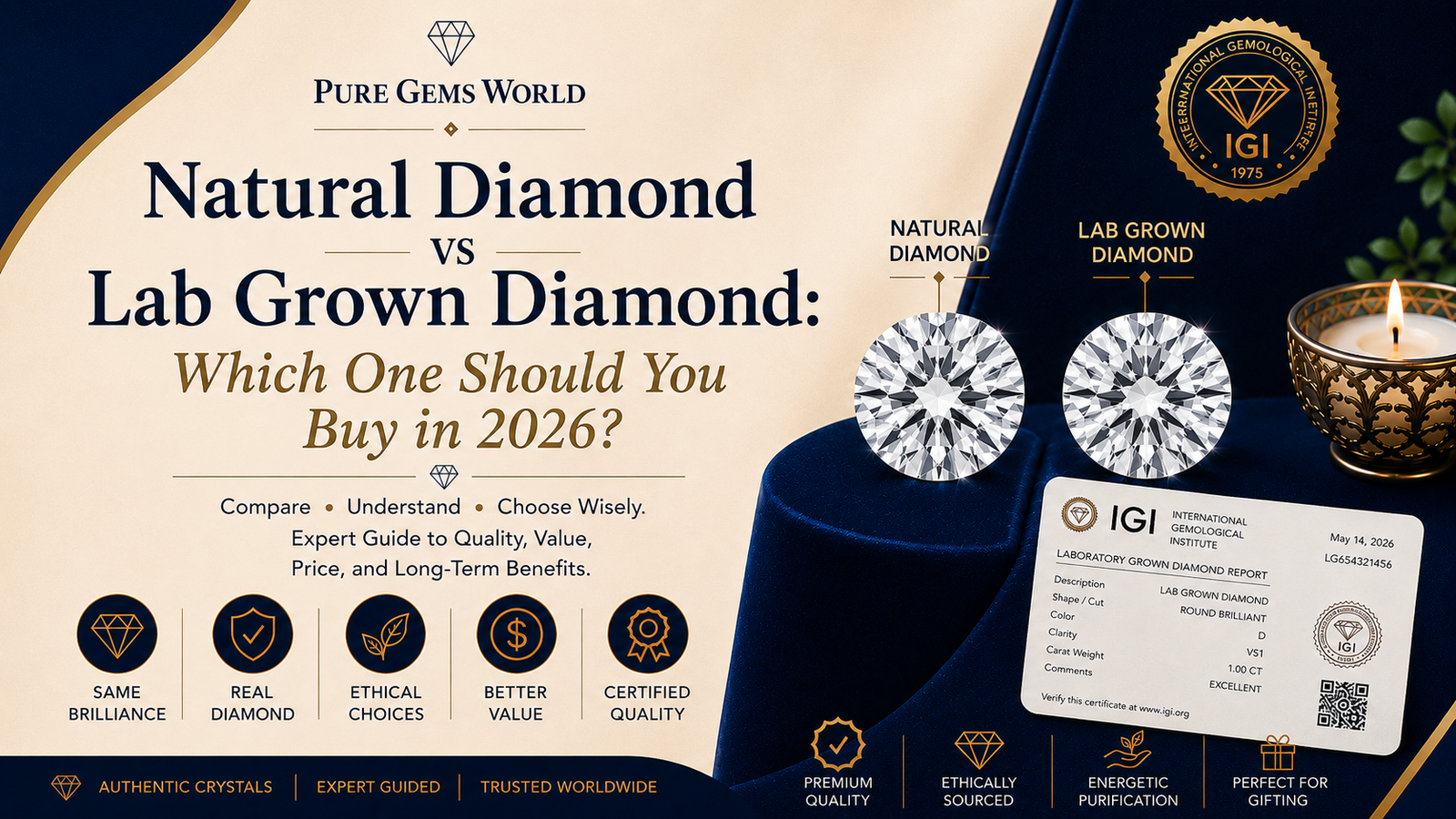
Natural vs Lab Grown Diamond is one of the most important comparisons for diamond buyers in 2026. Imagine standing in a jewelry showroom and looking at two diamonds that appear identical. Both sparkle beautifully, both are certified, and both offer exceptional durability. Yet one costs significantly more than the other. Understanding the difference between natural and lab grown diamonds will help you choose the right diamond for your budget, lifestyle, and long-term goals.
What Does Natural Diamond vs Lab Grown Diamond Mean?
A natural diamond is formed deep beneath the Earth’s surface through intense heat and pressure over billions of years.
A lab grown diamond is created in a controlled laboratory environment using advanced technology that replicates natural diamond formation conditions.
Quick Answer
Both diamonds are real diamonds.
Both share:
- Same chemical composition
- Same hardness
- Same brilliance
- Same optical properties
The primary difference lies in their origin.
Why This Comparison Is Important in 2026
Diamond buyers today have more options than ever before.
A decade ago, most consumers only considered natural diamonds. Today, lab grown diamonds have become widely available and significantly more affordable.
Before making a purchase, buyers should consider:
- Budget
- Purpose of purchase
- Long-term value
- Emotional significance
- Sustainability concerns
- Resale expectations
Understanding these factors can prevent costly mistakes and buyer’s remorse.
Understanding Natural Diamonds
Natural diamonds begin their journey approximately 100 to 200 miles beneath the Earth’s surface.
Over billions of years, carbon atoms crystallize under extreme pressure and temperature.
Volcanic activity eventually brings these diamonds closer to the Earth’s surface, where they can be mined and processed.
Key Characteristics
- Naturally formed
- Extremely rare
- Billions of years old
- Limited supply
- Traditional luxury appeal
Many buyers appreciate the story and rarity associated with natural diamonds.
Understanding Lab Grown Diamonds
Lab grown diamonds are produced using advanced scientific methods.
The two most common processes include:
HPHT (High Pressure High Temperature)
Replicates natural diamond formation conditions.
CVD (Chemical Vapor Deposition)
Uses carbon-rich gas to create diamond crystals layer by layer.
Key Characteristics
- Human-created
- Real diamond composition
- Faster production
- More affordable
- Increasingly popular
Lab diamonds offer an alternative for buyers focused on maximizing size and quality within a budget.
Natural Diamond vs Lab Grown Diamond Comparison
| Feature | Natural Diamond | Lab Grown Diamond |
|---|---|---|
| Origin | Earth formed | Laboratory created |
| Age | Billions of years | Weeks to months |
| Chemical Structure | Same | Same |
| Hardness | 10 Mohs | 10 Mohs |
| Appearance | Same | Same |
| Certification | Available | Available |
| Price | Higher | Lower |
| Rarity | Rare | More abundant |
| Resale Value | Generally higher | Usually lower |
| Investment Potential | Better | Limited |
Diamond Quality Comparison
Appearance
To the naked eye, natural and lab diamonds look virtually identical.
Even trained jewelers often require specialized equipment to identify the origin.
Sparkle
Both diamonds offer:
- Fire
- Brilliance
- Scintillation
Neither option automatically sparkles more than the other.
Sparkle depends primarily on cut quality.
Durability
Many buyers ask whether lab diamonds are weaker.
The answer is no.
Both natural and lab grown diamonds rank:
10 on Mohs Hardness Scale
This makes both suitable for:
- Daily wear
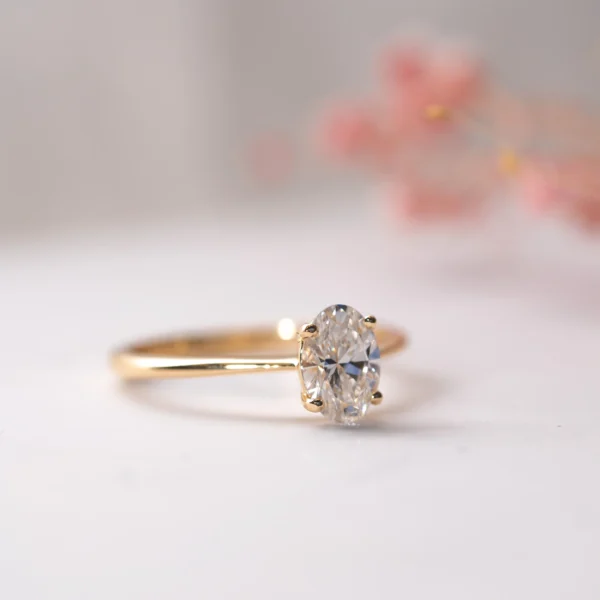
- Engagement rings
- Wedding bands
- Luxury jewelry
Price Comparison
Price remains one of the biggest deciding factors.
Natural Diamond
A natural diamond commands a premium because of rarity and limited supply.
Lab Grown Diamond
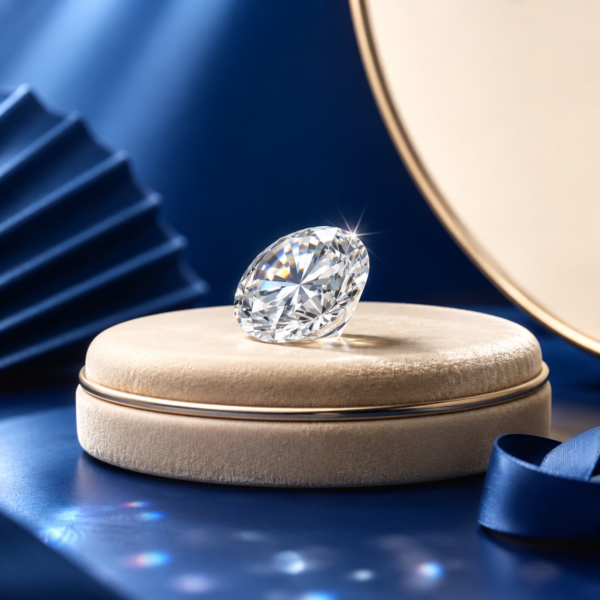
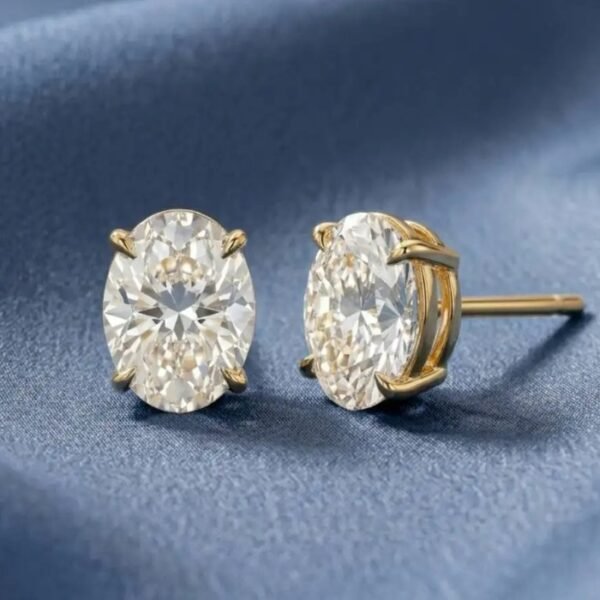
Lab diamonds typically cost significantly less than equivalent natural diamonds.
For the same budget, buyers can often purchase:
- Larger carat size
- Higher clarity
- Better color grade
This is one reason lab diamonds continue gaining popularity.
Investment and Resale Value
Natural Diamonds
Natural diamonds generally maintain stronger resale demand.
Reasons include:
- Limited supply
- Historical value
- Collector interest
- Established market
Lab Grown Diamonds
Lab diamonds continue becoming more affordable as technology improves.
As production increases, resale prices may fluctuate.
Buyers focused on investment often prefer natural diamonds.
Sustainability Considerations
Many consumers today care about sustainability.
Natural Diamonds
Modern mining operations increasingly emphasize:
- Responsible sourcing
- Environmental standards
- Community development
Lab Grown Diamonds
Often marketed as environmentally friendly due to reduced mining requirements.
However, energy consumption varies depending on production methods.
Step-by-Step Buying Guide
Step 1: Define Your Budget
Determine how much you’re comfortable spending.
Step 2: Identify Your Purpose
Are you buying:
- Engagement ring
- Wedding jewelry
- Fashion jewelry
- Investment piece
Step 3: Prioritize the 4Cs
Focus on:
- Cut
- Color
- Clarity
- Carat
Step 4: Verify Certification
Always choose certified diamonds.
Step 5: Compare Multiple Options
Never purchase the first diamond you see.
Step 6: Buy From a Trusted Seller
Choose established jewelers like PureGemsWorld.
Benefits of Natural Diamonds
Exceptional Rarity
Natural diamonds are limited in supply.
Historical Significance
Every stone carries a unique geological story.
Better Long-Term Value
Natural diamonds often maintain stronger market demand.
Luxury Heritage
Natural diamonds remain the traditional symbol of luxury.
Benefits of Lab Grown Diamonds
More Affordable
Greater size and quality for the same budget.
Ethical Appeal
Attractive to environmentally conscious buyers.
Identical Beauty
Same brilliance and durability.
Modern Innovation
Represents technological advancement in gemstone creation.
Common Myths and Truths
Myth: Lab Diamonds Are Fake
Truth: Lab diamonds are real diamonds.
Myth: Natural Diamonds Sparkle More
Truth: Sparkle depends on cut quality.
Myth: Lab Diamonds Don’t Last
Truth: They last just as long as natural diamonds.
Myth: All Natural Diamonds Are Investments
Truth: Not every diamond appreciates in value.
Expert Buying Tips
- Prioritize cut quality over carat weight.
- Always buy certified diamonds.
- Focus on your purpose before choosing.
- Compare prices carefully.
- Consider long-term goals.
- Avoid impulse purchases.
Real-Life Example
Two couples visited PureGemsWorld with identical budgets.
Couple A
Chose a natural diamond.
Reasons:
- Tradition
- Emotional significance
- Long-term value
Couple B
Chose a lab grown diamond.
Reasons:
- Larger size
- Better clarity
- Budget optimization
Both were satisfied because they selected diamonds aligned with their priorities.
FAQ Section
1. Are lab grown diamonds real diamonds?
Yes. Lab grown diamonds have the same physical and chemical properties as natural diamonds.
2. Which diamond is better?
The answer depends on your budget, goals, and preferences.
3. Do lab diamonds sparkle more?
No. Sparkle depends on cut quality rather than origin.
4. Can experts identify lab diamonds?
Yes, using specialized testing equipment.
5. Are natural diamonds rarer?
Yes. Natural diamonds are significantly rarer.
6. Which diamond is best for engagement rings?
Both are excellent choices depending on personal priorities.
7. Do lab diamonds lose value?
Resale values may vary due to increasing production.
8. Are natural diamonds a good investment?
Certain high-quality natural diamonds may retain value better.
9. Which diamond offers better value for money?
Lab diamonds often provide greater size and quality for the price.
10. Should I buy a natural diamond or lab diamond in 2026?
Choose natural diamonds for rarity and legacy. Choose lab diamonds for affordability and size.
Conclusion
The debate between Natural Diamond vs Lab Grown Diamond isn’t about which diamond is objectively better—it’s about which diamond is right for you.
If you value rarity, heritage, emotional significance, and long-term market appeal, a natural diamond may be the ideal choice.
If you prioritize affordability, larger carat sizes, and modern innovation, a lab grown diamond can deliver exceptional value.
Both options offer remarkable beauty, durability, and brilliance. The key is understanding your goals and purchasing from a trusted source.
At PureGemsWorld, we help buyers explore both natural diamonds and lab grown diamonds with confidence, ensuring every purchase reflects quality, authenticity, and lasting satisfaction.