Why Two CVD Diamonds With the Same Carat Can Look Different?

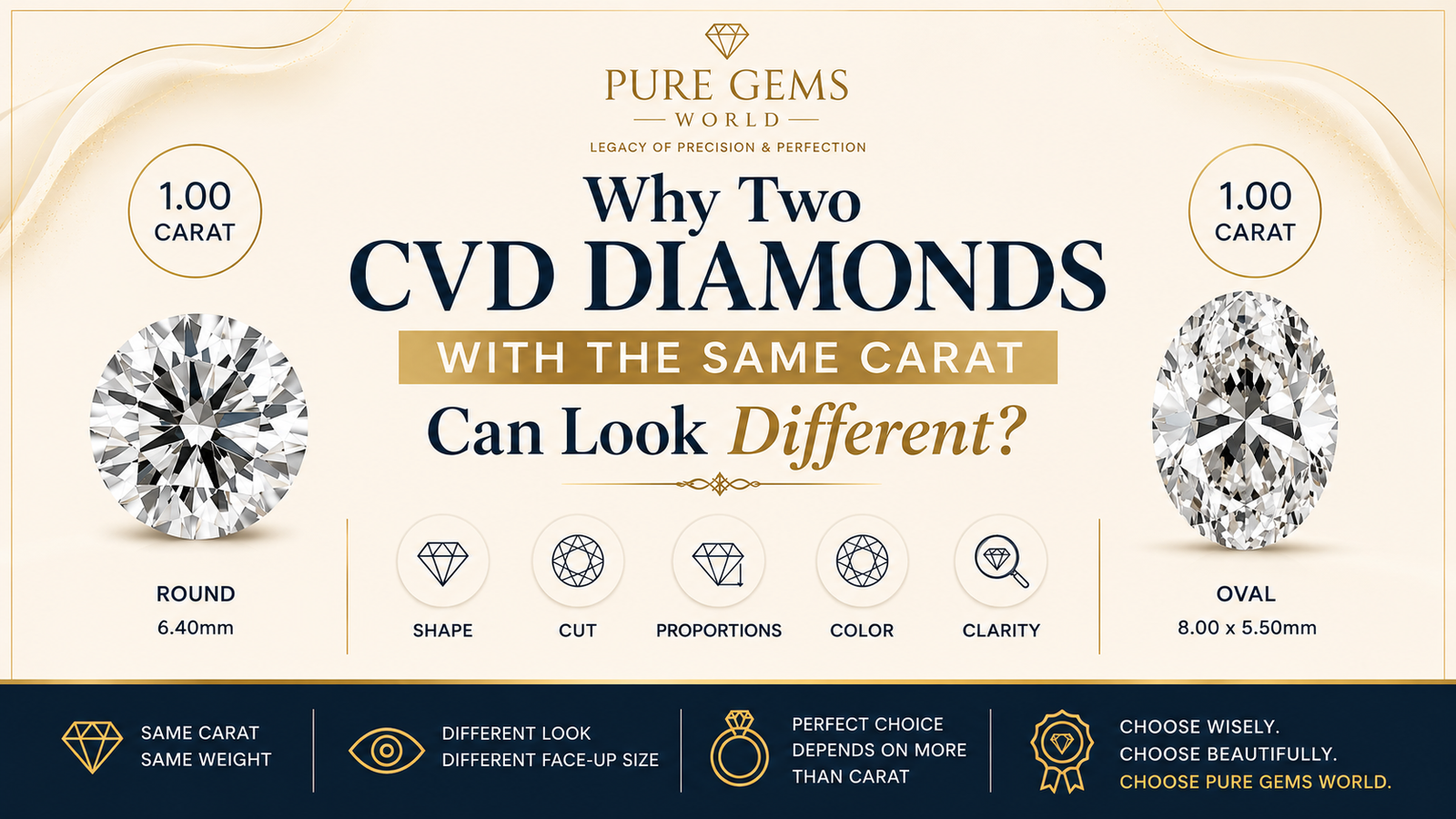
CVD diamond comparison becomes important when two diamonds have the same carat weight but still look different. Many buyers assume that a 1-carat diamond will always have the same visual size and appearance. However, carat only tells you the weight of the diamond. Shape, dimensions, cut, proportions, colour, clarity, and even the jewellery setting can change how a diamond looks.Have you ever compared two 1 carat CVD diamonds and noticed that one looks larger, brighter, or more attractive than the other? If both diamonds weigh exactly 1 carat, it is natural to wonder how they can look so different.
The answer is simple: carat measures weight, not the complete visual appearance of a diamond.
When comparing CVD diamonds, factors such as shape, cut, proportions, table, depth, length-to-width ratio, colour, clarity, and millimetre measurements can all influence how the diamond looks.
Therefore, choosing a CVD diamond based only on carat weight can sometimes lead to confusion. Two diamonds can both weigh 1 carat while having different dimensions and visual appearances.
In this guide, we explain why two CVD diamonds with the same carat can look different, what measurements you should compare, and how to choose a CVD diamond that suits your jewellery design and budget.
Quick Answer: Two 1 CVD diamonds with the same carat can look different because carat measures weight, while shape, cut, proportions, dimensions, colour, clarity, and jewellery setting influence their visible size and overall appearance.
What Does Carat Mean in a CVD Diamond?
Before comparing two diamonds, it is important to understand what carat weight actually means.
Carat is a measurement of weight. One carat equals 0.2 grams. Therefore, when a diamond is described as 1 carat, the specification tells you how much the diamond weighs.
However, carat does not tell you:
- How wide the diamond looks
- How long it appears
- How deep it is
- How much light it returns
- How large it looks from the top
- Which shape it has
- How the diamond will look in a particular ring
For example, two CVD diamonds can both weigh 1 carat, but one may measure approximately 6.4 × 6.4 mm, while another shape could have completely different length and width measurements.
So, when shopping for CVD diamonds, always look beyond the carat number.
CVD Diamond Comparison: Why Same Carat Can Look Different
This is where the difference becomes easier to understand.
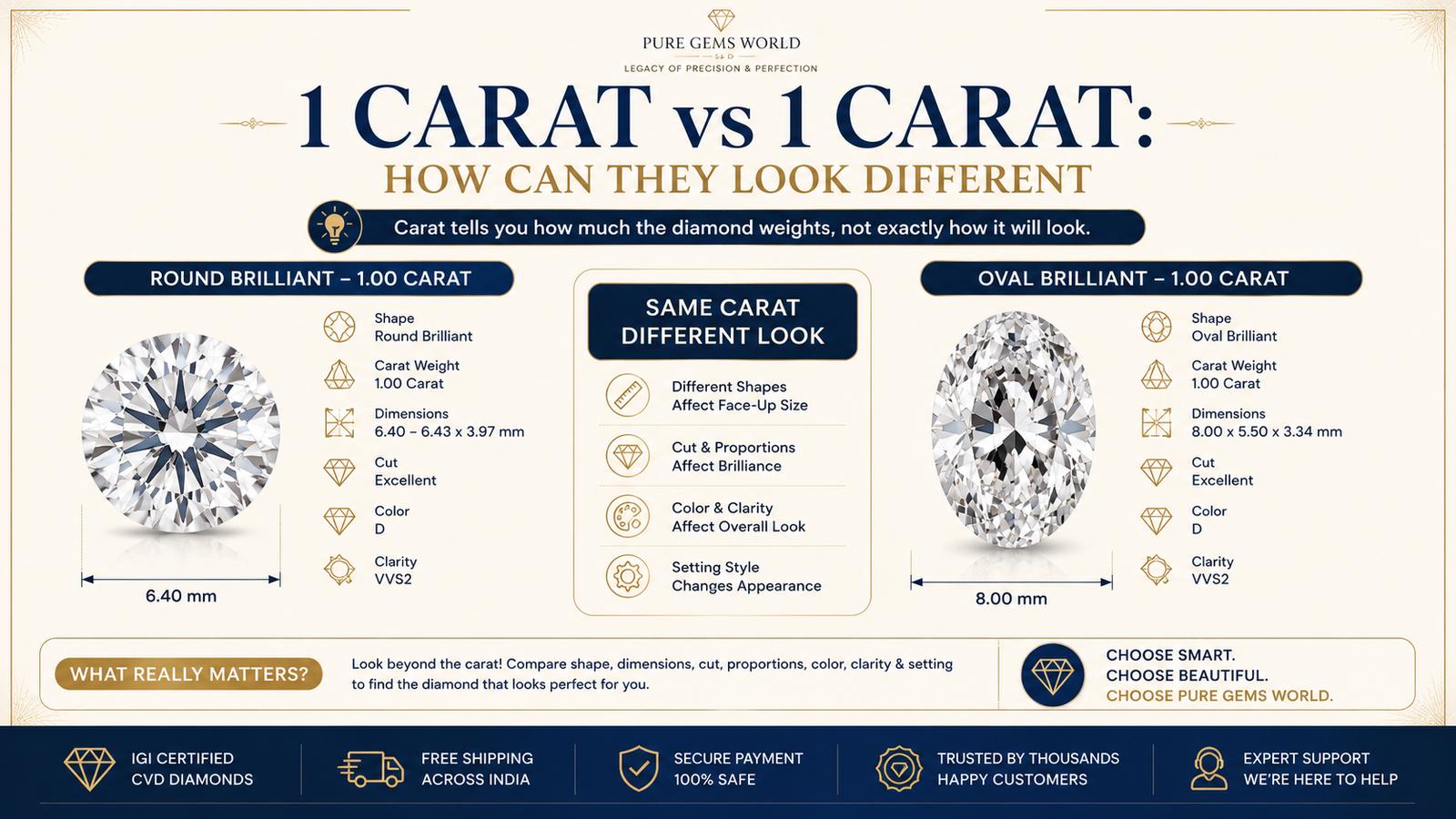
Imagine you are comparing two 1-carat CVD diamonds.
| Specification | CVD Diamond A | CVD Diamond B |
| Carat Weight | 1.00 ct | 1.00 ct |
| Weight | Same | Same |
| Shape | Round | Oval |
| Length | Approx. 6.4 mm | Approx. 8.0 mm |
| Width | Approx. 6.4 mm | Approx. 5.5 mm |
| Visual Appearance | Balanced and symmetrical | Longer and more elongated |
| Face-Up Impression | More compact | May appear larger/longer |
| Overall Look | Classic | Elongated |
Both diamonds weigh 1 carat, but they don’t look the same.
The Round diamond has a balanced circular outline, while the Oval diamond spreads its weight across a longer surface. Consequently, the Oval may create more visual coverage from certain viewing angles.
This is why carat weight should never be the only specification you consider.
Note: The measurements above are illustrative. Actual dimensions vary according to the individual diamond and its proportions.
1. Diamond Shape Changes Its Visual Size
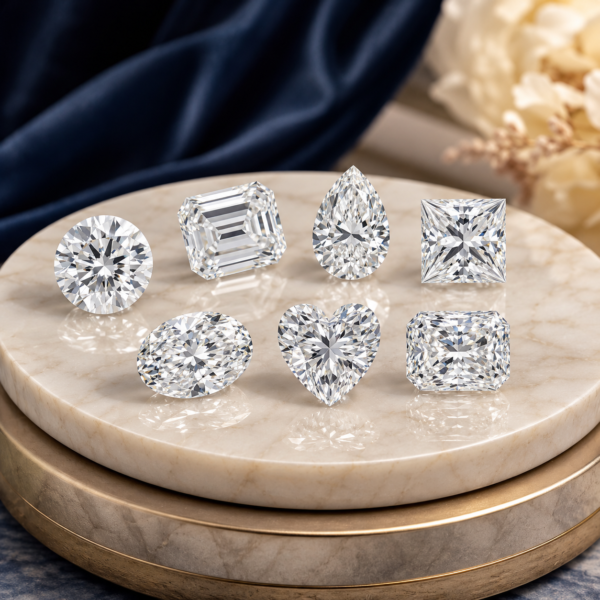
Shape is one of the easiest ways to understand why two diamonds with the same carat can look different.
Round, Oval, Emerald, Cushion, Pear, Marquise, Radiant, Princess, and other shapes distribute their weight differently.
Round CVD Diamonds
Round diamonds have a symmetrical outline and remain one of the most popular choices for engagement rings and other jewellery.
Their appearance depends heavily on cut quality and proportions.
Oval CVD Diamonds
Oval diamonds have an elongated outline. As a result, they can provide greater finger coverage compared with a round diamond of similar weight.
Emerald CVD Diamonds
Emerald cuts use step-cut facets. Instead of focusing mainly on sparkle, they create broad reflections and a clean, elegant appearance.
Marquise and Pear CVD Diamonds
These elongated shapes can create a distinctive lengthened appearance. Therefore, they can look quite different from a round diamond even when the carat weight is identical.
Cushion CVD Diamonds
Cushion diamonds generally have softer, broader outlines. However, their appearance can vary significantly depending on whether the shape is square or elongated.
The takeaway: The same carat weight does not mean the same face-up dimensions.
2. Cut Quality Affects How a CVD Diamond Looks
Shape and cut are not the same thing.
Shape describes the outline of the diamond, while cut refers to how the diamond’s facets, angles, symmetry, and proportions interact with light.
A well-proportioned diamond can return light effectively and appear lively and bright. On the other hand, a diamond with less favourable proportions may appear darker or less visually appealing.
Cut can influence:
- Brilliance
- Fire
- Scintillation
- Light return
- Overall visual appearance
Therefore, when comparing two 1-carat CVD diamonds of the same shape, don’t assume that both will look identical.
The quality of their cut and proportions can make a noticeable difference.
3. Table and Depth Can Change the Appearance
Two measurements that buyers often overlook are table and depth.
What Is the Diamond Table?
The table is the large flat facet located at the top of a diamond.
Its size, along with the other proportions, influences how the diamond interacts with light.
What Is Diamond Depth?
Depth refers to the distance from the top of the diamond to the bottom.
If a diamond carries a significant amount of its weight in its depth, it may have less visible surface area when viewed from above.
Therefore, two 1-carat diamonds can have different face-up dimensions because they distribute their weight differently.
This is another reason why checking length, width, and depth measurements is useful when buying a CVD diamond.
4. Millimetre Measurements Matter
If you want to know how large a diamond actually looks, check its millimetre dimensions.
For example:
- Length: 6.40 mm
- Width: 6.38 mm
- Depth: 3.90 mm
These measurements tell you considerably more about the diamond’s physical dimensions than simply seeing “1.00 ct.”
For fancy shapes, length and width become particularly important.
An Oval diamond might have a longer length than a Round diamond while having a similar carat weight. Consequently, it can create a different visual impression when placed on a ring.
Simple Rule
Carat tells you the weight. Millimetres tell you the physical dimensions.
Both are important when comparing CVD diamonds.
5. Length-to-Width Ratio Changes the Look
Length-to-width ratio is especially important for shapes such as:
- Oval
- Emerald
- Pear
- Marquise
- Radiant
- Cushion
For example, two 1-carat Oval CVD diamonds can have different proportions.
One might look:
Long + Slim
while another may appear:
Shorter + Wider
Neither is automatically better. The right choice depends on the look you prefer.
Someone who wants a longer, elegant appearance may prefer a higher length-to-width ratio. Meanwhile, someone who likes a fuller appearance may prefer a wider shape.
6. Colour Can Influence the Overall Appearance
Colour refers to the degree of body colour visible in a diamond.
Depending on the grading system and individual stone, diamonds can range from colourless to stones with more noticeable body colour.
Colour can become particularly relevant when choosing:
- White gold
- Platinum
- Yellow gold
- Rose gold
A diamond’s apparent colour can interact with its jewellery setting and surrounding metal.
Therefore, two CVD diamonds with identical carat weights can still create different overall impressions when placed in different jewellery designs.
7. Clarity Does Not Automatically Mean a Bigger Diamond
Clarity describes the presence of internal or external characteristics, commonly called inclusions and blemishes.
However, clarity does not directly determine physical size.
A higher clarity grade can mean fewer visible characteristics, but that doesn’t mean the diamond will automatically look larger or brighter.
For many buyers, the practical goal is to find a diamond that offers a good balance between:
Appearance + Clarity + Colour + Cut + Budget
Instead of automatically choosing the highest available clarity grade, compare the actual appearance and grading information of the diamond.
8. Jewellery Setting Can Make the Same Diamond Look Different
The diamond itself isn’t the only factor.
The jewellery setting can significantly influence how large or prominent a CVD diamond appears.
For example:
Solitaire Setting
A solitaire places most of the visual attention on the centre diamond.
Halo Setting
A halo surrounds the centre stone with smaller diamonds, which can create the impression of a larger overall centre area.
Bezel Setting
A bezel surrounds the diamond with metal and creates a clean, contemporary appearance.
Hidden Halo
A hidden halo adds diamonds beneath the centre stone, creating additional detail when viewed from certain angles.
Therefore, the same 1-carat CVD diamond can look different depending on the ring design.
How to Compare Two CVD Diamonds Before Buying
If you’re comparing two CVD diamonds, don’t simply ask:
“Which one has more carat?”
Instead, follow this checklist.
Step 1: Compare Carat
Check whether both diamonds have the same weight.
Step 2: Check Millimetre Dimensions
Compare length, width, and depth.
Step 3: Compare Shape
Round and Oval diamonds will naturally create different visual impressions.
Step 4: Examine Cut and Proportions
Look at the available grading information and proportions.
Step 5: Compare Colour and Clarity
Choose specifications that suit your preferred appearance and budget.
Step 6: Check Certification
Where certification is provided, review the grading report and match its details with the diamond.
Step 7: Consider Your Jewellery Design
A diamond that looks excellent loose may create a different impression once placed in a ring or pendant.
Explore CVD Diamond Collections at Pure Gems World
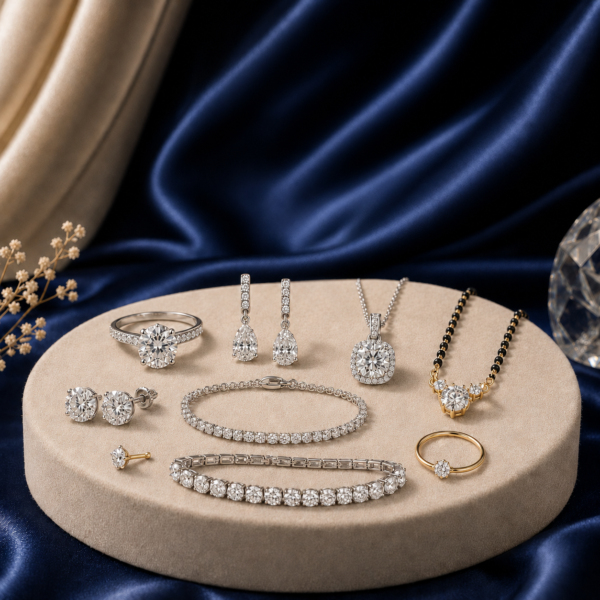
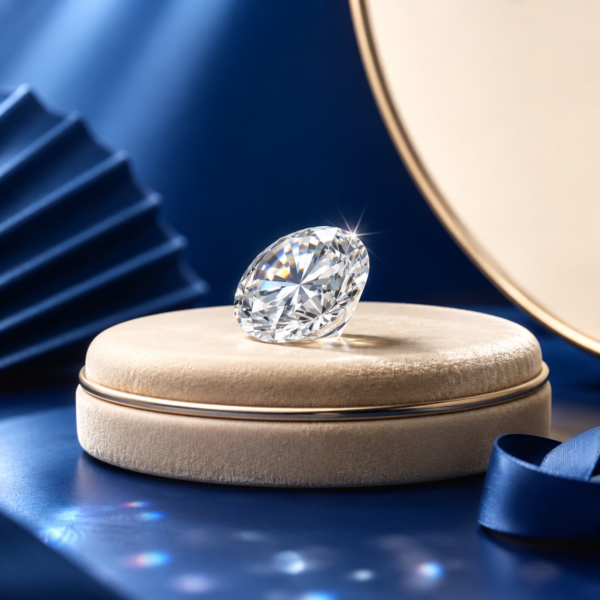
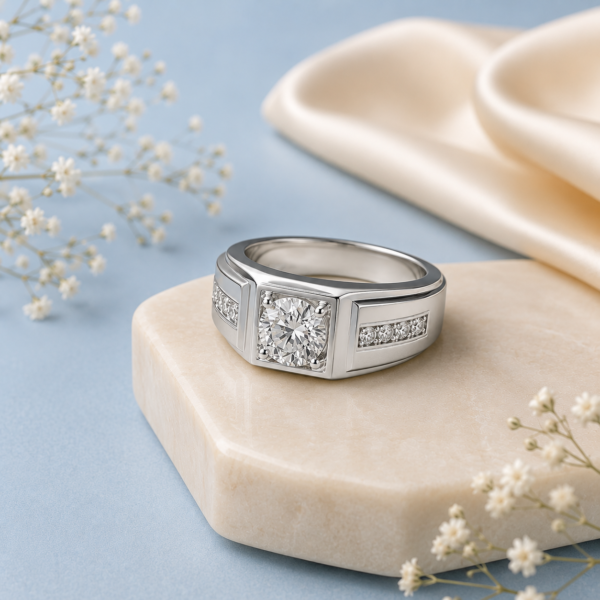
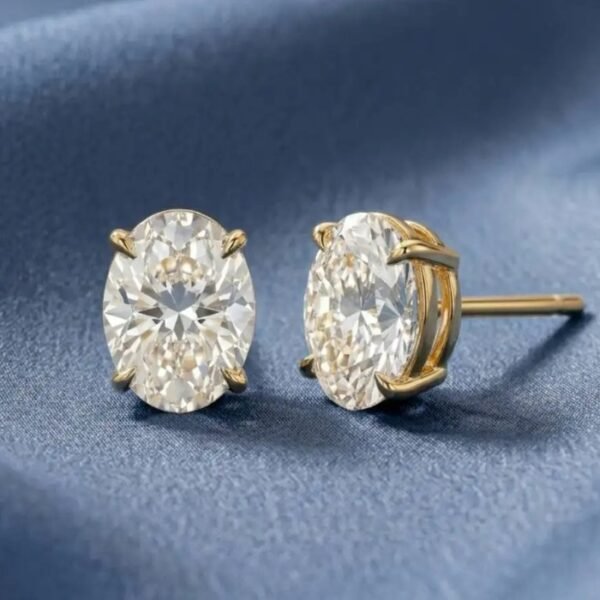
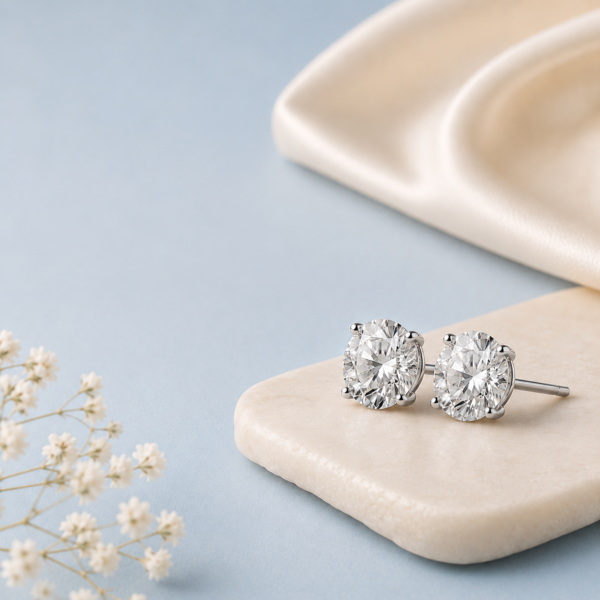
If you are selecting a CVD diamond for your jewellery design, exploring different diamond shapes and jewellery styles can help you make a better choice. At Pure Gems World, you can explore a variety of CVD diamond collections based on your preferences, jewellery style, and requirements.
Common Mistakes When Buying a CVD Diamond
Choosing Only by Carat
A 1.50-carat diamond isn’t automatically a better choice than a well-proportioned 1-carat diamond.
Ignoring Dimensions
Carat alone cannot tell you how large the diamond looks from above.
Focusing Only on Clarity
Higher clarity isn’t the only factor that determines visual appeal.
Ignoring Shape
Different shapes distribute weight differently, so two diamonds with identical carat weights can have very different dimensions.
Forgetting the Setting
Your final jewellery design can change the overall visual impression of the diamond.
How to Get a Larger-Looking CVD Diamond Without Simply Increasing Carat
If visual size matters to you, you don’t necessarily need to keep increasing the carat weight.
Instead, compare:
- Face-up dimensions
- Diamond shape
- Length-to-width ratio
- Cut quality
- Proportions
- Jewellery setting
For instance, elongated shapes such as Oval, Pear, and Marquise can create greater visual length than some other shapes at comparable weights.
However, the best choice depends on your preferred design. A diamond should not be selected purely because it looks large; its overall proportions, appearance, quality, and suitability for the jewellery design also matter.
CVD Diamond Comparison Checklist
Before buying, ask these questions:
✔ What is the exact carat weight?
✔ What are the length and width measurements?
✔ What is the diamond shape?
✔ How are the cut and proportions graded?
✔ What is the colour grade?
✔ What is the clarity grade?
✔ Is certification available?
✔ How will the diamond look in my chosen setting?
This simple checklist can help you make a more informed CVD diamond purchase.
Why Choose Pure Gems World for CVD Diamonds?
Choosing a CVD diamond becomes easier when you have access to clear product information and a wide range of options.
At Pure Gems World, customers can explore CVD and lab-grown diamond options for different jewellery designs, shapes, sizes, and preferences. The website offers diamond jewellery and loose diamond options, making it easier to compare specifications before making a purchase.
Why consider Pure Gems World?
- Wide selection of CVD and lab-grown diamonds
- Multiple diamond shapes and designs
- Certification-focused product options
- Detailed product specifications
- Custom jewellery options
- Guidance for selecting suitable diamond specifications
- Secure packaging
- Online ordering convenience
- Customer support
If you’re unsure whether you should choose a Round, Oval, Emerald, Cushion, Pear, or another CVD diamond shape, comparing the carat, dimensions, proportions, colour, clarity, and setting together can help you make a more informed decision.
Explore CVD diamonds and jewellery at Pure Gems World and compare your options based on the specifications that matter—not just the carat number.
Frequently Asked Questions
Why do two CVD diamonds with the same carat look different?
Two CVD diamonds can have the same carat weight but different shapes, dimensions, proportions, cut quality, colour, and clarity. Therefore, their visual appearance can vary significantly.
Does 1 carat mean the diamond will look the same size?
No. Carat measures weight rather than visible dimensions. Two 1-carat diamonds can have different length and width measurements.
Which CVD diamond shape looks the largest?
Elongated shapes such as Oval, Marquise, and Pear can create a larger-looking face-up appearance at comparable weights. However, actual dimensions depend on the individual diamond.
Is carat more important than cut?
They describe different characteristics. Carat measures weight, while cut influences how the diamond’s facets interact with light. Therefore, both should be considered.
Why should I check millimetre measurements?
Millimetre measurements show the diamond’s actual physical dimensions. They can help you understand how much surface area the diamond may cover when viewed from above.
Can two 1-carat Round CVD diamonds look different?
Yes. Even when two diamonds have the same shape and carat weight, differences in proportions, cut, table, depth, colour, and clarity can affect their appearance.
Does clarity make a CVD diamond look bigger?
No. Clarity primarily describes internal and external characteristics. It does not directly determine the physical dimensions of the diamond.
Can the ring setting make a CVD diamond look bigger?
Yes. Designs such as halos can create greater visual coverage around the centre stone, while certain solitaire settings can make the centre diamond the primary visual focus.
What should I compare besides carat?
Compare shape, millimetre dimensions, cut, table, depth, proportions, colour, clarity, certification, and setting.
How do I choose the right CVD diamond?
Start with your jewellery design and budget. Then compare the diamond’s shape, carat, dimensions, cut, colour, clarity, proportions, and available certification. This gives you a more complete picture than carat weight alone.
Conclusion
The key thing to remember is that carat measures a CVD diamond’s weight, not exactly how large or bright it will look. Two 1-carat diamonds can have different shapes, dimensions, proportions, cuts, and settings, which can significantly change their appearance.
So, when choosing a CVD diamond, don’t compare carat alone. Look at shape, millimetre dimensions, cut, proportions, colour, clarity, and setting to find the right balance of appearance and value.
Choose CVD Diamonds from Pure Gems World
At Pure Gems World, you can explore CVD and lab-grown diamonds in different shapes, sizes, and jewellery designs. Detailed product information helps you compare important specifications before making your choice.
Whether you’re looking for a CVD diamond for an engagement ring, pendant, bracelet, or custom jewellery, choosing based on the complete specifications can help you find a diamond that suits your style, design, and budget.
Visit Pure Gems World today and find the perfect CVD diamond that celebrates your unique style with the sparkle of a real diamond.
Remember: the best diamond isn’t simply the one with the highest carat—it’s the one that looks right for you.